It took 850 pounds of Epsom salt, but I floated. For the first time in my life I floated. Last month I visited Float On, a business located in the Hawthorne district of Portland, Oregon. Float On is part of a new movement in entrepreneurship – providing sensory deprivation tanks for rent by the hour.
Floatation tanks, also known as isolation tanks and sensory deprivation tanks, were first developed by John C. Lilly in 1954. In the 1970s the practice also became known as REST, or Restricted Environmental Stimulation Therapy. While the connotation attached to the tanks has varied over the years, it has been used to effectively treat everything from stress and anxiety, to migraines, to chronic pain and fibromyalgia, to mental disorders. Given its supposed benefits, both mental and physical, one would think it could make a good recovery practice for athletes.
It was from this perspective, that of an athlete, that I approached floating. I had long been encouraged by a couple fellow martial artists to give it a shot. They insisted I would enjoy it, but I don’t swim, and more importantly, I’ve never even figured out how to float, so the whole thing seemed quite daunting. I also get vertigo whenever I can’t see a horizon line, so I really wasn’t sure floating was for me. Ninety minutes of floating, at that.
But I was told everyone can float in a floatation tank. The high level of Epsom salt in the water, 850lbs according to Float On, will keep anybody on top of the water. The water itself is kept at roughly skin temperature, with the idea that you don’t feel it against you. You are given the option to wear earplugs, which I did, and you disrobe entirely. The tank is soundless and lightless inside, and unless you reach out with your arms to touch the sides of the tank, you quickly lose sense of time and physical orientation.
As it turned out, getting into the tank and getting situated was the most awkward part, and once I was able to relax, it became quite pleasant and some of the best sleep I had in a long time. After getting in, I hung onto a pipe on the wall for a while. I was afraid if I let go of it my vertigo would kick in. Since I had the earplugs in, all I could hear was the rhythm of my breathing. After a while I decided to just hold onto a ledge at the side of the tub with the tips of the fingers of one hand. I practiced relaxing my neck and letting the water creep up on my face. Then I finally let go. Everything started spinning and I sat up with a splash, pawed at the walls, and reoriented myself. It’s actually not easy to sit upright in water that salty. And then I went through the whole process again. Logically, it was very silly. The salt water was eleven inches deep and the tank was shaped such that I couldn’t possibly change direction without bumping into a wall. But logic and emotion and instinct are not necessarily companions.
Eventually, at some point, after who knows how much time had passed, I let go - physically and mentally.Turns out it’s scientifically proven that loss of sensory input results in relaxation of the body. So, my friends were right, no matter how my body resisted it, I was bound to relax. According to a 1999 research study, during floatation there is an increase in the theta waves in our brain.1 Theta waves have been shown in other studies to be activated by meditation.2 They are also the brain waves active during REM sleep and the drowsiness immediately before and after sleeping.
In addition to increasing the positive theta brain waves, floating has been shown to reduce unwanted negative activity in the body. According to the same 1999 study, “Plasma and urinary cortisol, ACTH [adrenocorticotropic hormone], aldosterone, renin activity, ephinephrine, heart rate, and blood pressure, all directly associated with stress, consistently decrease.”3
That’s a lot of big words and a lot of references to body functions you may not recognize. Long story short, floatation makes your brain happy and reduces stress all over your body. And science backs this up. A 2001 study found spending time in the floatation tank showed a strong ability to reduce severe pain, increase optimism, and decrease anxiety and depression. In addition, study participants fell asleep easier following floatation tank treatment and experienced a higher quality of sleep.4
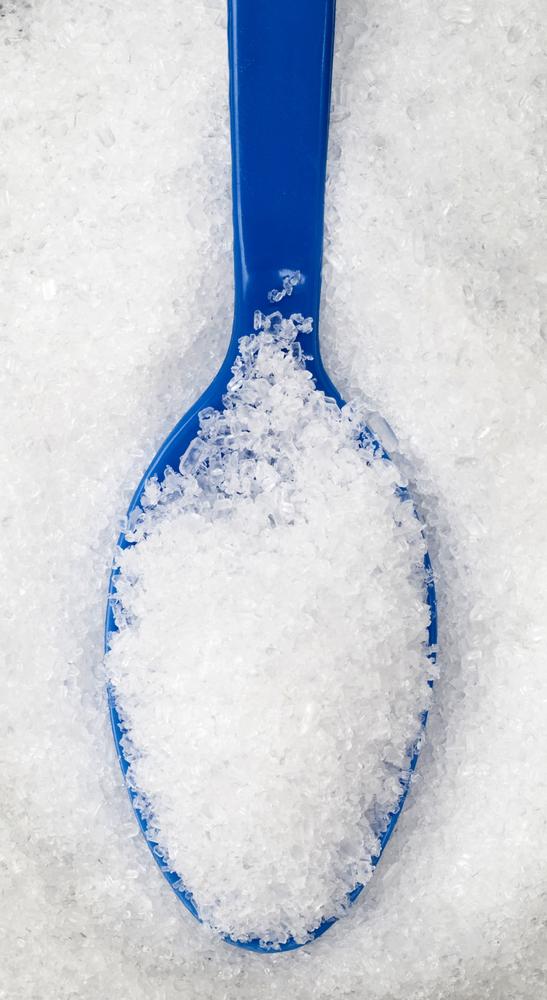
And if that’s not enough for you, it turns out floating in Epsom salt has benefits in and of itself.Epsom salt is comprised of magnesium and sulfate. According to the National Academy of Sciences most Americans are deficient in magnesium. Raising your magnesium levels can improve your circulation, improve your body’s ability to use insulin, ease muscle pain, regulate electrolytes, and relieve stress.5
Although magnesium can be absorbed through the digestive tract, many foods, drugs and medical conditions can interfere with the effectiveness of this delivery method. Therefore, soaking in an Epsom Salt bath is one of the most effective means of making the magnesium your body needs readily available.
Epsom Salt also delivers sulfates, which medical research indicates are needed for the formation of brain tissue, joint proteins and the mucin proteins that line the walls of the digestive tract. Studies show that sulfates also stimulate the pancreas to generate digestive enzymes and help to detoxify the body’s residue of medicines and environmental contaminants. Studies indicate that sulfates are difficult to absorb from food, but are readily absorbed through the skin.
Plus when you get out your skin will be all exfoliated and soft. Actually, your whole being will feel exfoliated and soft. So much so that you might feel a bit disoriented and woozy for a while, but you’ll also feel really happy and at ease and you won’t much care.
Whatever your feelings are about floating, whether you think it’s for hippies or you’re worried about turning into a monkey-man a la Altered States, I would suggest letting go of that and giving it a try. I would suggest letting go altogether and experiencing what floating can do for both your mind and your body.
Offering floatation in MA for over thirteen years.
Tips:
Cover any cuts you have on your body with Vaseline. Open skin doesn’t feel good when it comes in contact with the Epsom salt.
You might have difficulty relaxing your neck on your first session. Bringing a small floatation device to tuck under your neck will help. You can use your arms to hold up your head, but then you don’t truly relax.
Try not to have expectations of what your experience will be. Some people float for transcendental purposes, some just float to relax. You will enjoy it more if you let it be whatever it is for you, and know it might be different every time.
Bring a brush if you have long hair. Trying to handle salt-soaked long hair after getting out of the tank isn’t the most fun.
Don’t have anything scheduled following your float. You are going to be one mellow cat for at least a day or two. Plan on comfy clothes and long weekend of lounging.
“For depression, flotation was equal to counseling at near 70%, with relaxation training at 53% and physical therapy and medication at 20%.”
Flotation REST in Applied Psychophysiology Thomas H. Fine, M.A. and Roderick Borrie, Ph.D.
Thomas H. Fine is an Associate Professor in the Department of Psychiatry of the Medical College of Ohio. He began his research and clinical work with Biofeedback in 1975, and, with John Turner, initiated the Restricted Environmental Stimulation Therapy research program at MCO in 1978.
Roderick A Borrie, Ph.D. is a Clinical Psychologist at South Oaks Hospital, Amityville, New York. He began his exploration of therapeutic uses of Restricted Environmental Stimulation Therapy at the University of British Columbia with Dr. Peter Suedfeld, and continues to use it in current work with patients suffering chronic pain and illness.
Introduction
Restricted Environmental Stimulation Therapy (REST) has fascinated many researchers, clinicians, and explorers of consciousness, promising something special - a powerful transformation, a mystical peak experience, an intense change in biochemicals, improved performance, or a healing of our ills. Beyond the fascination, Flotation REST has established itself as a unique method in the field of applied psychophysiology. Flotation REST has proven to be a technique with predictable psychophysiological effects and powerful clinical and performance applications. This article will provide the reader with an introduction to the basic research into Flotation REST’s psychophysiological effects, and a brief overview of the clinical and performance applications currently in use by REST clinicians and researchers. The article will examine in greater detail the use of Flotation REST as an intervention for chronic pain.
REST is an acronym for Restricted Environmental Stimulation Technique, a name developed in the late 1970s by Peter Suedfeld and Roderick Borrie for a technique that had previously been called Sensory Deprivation (SD) or Sensory Isolation. Since much of the early SD research had been misinterpreted, especially by writers of introductory psychology texts, a widely accepted myth developed that SD environments were highly stressful, even models for producing psychotic like experiences. This led to difficulties with the Sensory Deprivation concept. Ultimately Suedfeld and Borrie proposed that, since the process involves restricting the environmental stimulation that the patient or subject experiences, REST would be a more accurate and less provocative acronym.
Flotation REST is a special type of REST popularized by John C. Lilly, M.D. Lilly developed an immersion system in the late 1950s at that was used in early SD experiments. In the 1960s he developed a flotation system in which a person floats in a light free, sound reduced chamber in a highly concentrated solution of Epsom Salt and water maintained at a constant temperature of 9,4.5 F (Lilly, 1977, p. 118).
Both Wet and Dry REST systems have been utilized in research and practice. Wet-REST systems utilize flotation in salt water, and Dry-REST systems utilize a modified REST environment in which a pliable 15 mm. polymer membrane separated the floater from the fluid (Turner, Gerard, Hyland, Neilands, & Fine, 1993).
At the Medical College of Ohio, John Turner and I conducted a series of studies investigating the psychophysiological effects of brief sessions of Flotation REST. The REST environment used in all of these studies was a plastic or fiberglass chamber, approximately 1.1 m. x 1.3 m. x 2.5 m. filled to a 25 cm. depth with saturated epsom salts (Mg SO) solution having a specific gravity of 1.28 and temperature maintained at 34.5 C. The chamber was light-free and the sound level was less than 10 decibels, with further attenuation due to submersion of the ears in the solution. The general protocol consisted of 30-40 minute sessions repeated approximately every third day with a total number ranging from 4 to 20 sessions per study.
The first parameter we addressed was the subjective report of the REST experience. We utilized several indices of subjective reports including the Spielberger state anxiety scale, Zuckerman multiple affect adjective checklist (Turner & Fine, 1990a), profile of mood states (POMS) (Turner, Fine, Ewy, Sershon, & Frelich, 1989), and subjective rating scales of emotion and relaxation. All of the initial studies found marked pre-post and across-session changes indicating relaxation, an increase in positive emotion and a decrease in negative emotions. In addition, an analysis of well over 1,000 descriptions of the REST experience indicated that more than 90% of subjects found REST deeply relaxing.
Psychophysiological Effects of Flotation Rest
In choosing physiological parameters of the REST effect on relaxation, we examined the basic physiological and biochemical hormonal changes associated with stress responding. Physiological parameters measured included blood pressure (BP), muscle tension (EMG), and heart rate (HR). Hormonal parameters included both adrenal axis hormones such as ACTH, epinephrine, norepinephrine, cortisol and aldosterone, and hormones not mediating stress responding (luteinizing hormone and testosterone). Both within and across-session decreases have been observed in various hormones. Hormones directly associated with the stress response. Cortisol, ACTH and epinephrine showed decreases during REST sessions, whereas luteinizing hormone, which is not associated with the stress response, showed no change (Turner & Fine 1983). Likewise, across-session decreases were observed in adrenal-associated hormones (cortisol, aldosterone, renin activity), while a hormone unrelated to stress response (testosterone) did not shown across-session changes (Turner & Fine, 1990a). In a separate study, we examined the across-session effect on both mean cortisol values and their variability, observing a decrease in both parameters (Turner and Fine, 1991). This suggests the possibility of a resetting of the regulatory mechanism of cortisol across sessions. Furthermore, cortisol, which has received more attention than the other hormones, and Blood Pressure, have been shown to maintain the REST effect after cessation of repeated REST sessions (Turner & Fine, 1983). This phenomenon suggests that the REST effect may be more than a simple, immediately reversible response.
Interestingly, in comparing hormonal and BP changes in REST with these changes in another relaxation condition (biofeedback), REST consistently showed greater hormonal effects but similar BP effects to biofeedback assisted relaxation (McGrady, Turner, Fine, & Higgins. 1987). These results led us to consider that REST affects different mechanisms than the biofeedback (since it affected cortisol levels when other methods did not) or was simply more powerful (i.e. REST reached the threshold for cortisol change but biofeedback did not).
Clinical Applications of Flotation REST
These results provide strong support for the hypothesis that Flotation REST serves as a powerful relaxation inducer and has clinical potential in working with patients who have stress-related disorders. There have been several clinical studies that have employed REST as a treatment. The disorders treated include essential hypertension, muscle tension headache, anxiety disorders, chronic pain, psychophysiological insomnia, PMS, and rheumatoid arthritis (Fine and Turner, 1985; Rzewnicki, Alistair, Wallbaum, Steel, Suedfeld, 1990; Fine and Tumer, 1985; Goldstein and Jessen, 1990; Turner, DeLeon, Gibson, & Fine, 1993). The treatment paradigms used in these studies were similar, with REST serving as the primary method of relaxation induction and training. All of these studies demonstrated positive results from the use of REST. One of the unique effects of REST demonstrated in these studies was that chronic pain patients frequently experienced an absence of all pain during flotation, and that this spontaneous anesthesia could remain for up to several hours after the session. Unfortunately, as with many bio-behavioral treatment approaches, the large scale controlled trials have yet to be undertaken.
Flotation REST and Performance Enhancement
A separate, exciting area is the use of Flotation REST in the enhancement of human performance. Several studies, carried out primarily in the research programs of Peter Suedfeld at the University of British Columbia and Arreed Barabasz at Washington State University, have demonstrated enhancement of scientific creativity, instrument flight performance, and piano performance. Several studies of sports performance have had positive results including studies of basketball, tennis, skiing, rifle marksmanship, and dart throwing. In several of the studies the Flotation REST condition was varied with relaxation, or imagery training and always had a more powerful effect. Often, Flotation REST was used with imagery or without imagery, and no difference was, found. Flotation REST, either wet or dry, was sufficiently powerful to affect a change in performance. Barabasz suggests that because REST potentiates imagery while disrupting over learned psychological processes, the technique is especially suited not only for the acquisition of new im- proved skills but the unlearning of less adaptive ones.
Flotation Rest and Pain Management
An in depth examination of the role of Flotation REST in the management of pain can provide us with a clear picture of the psychophysiological nature of the treatment. Pain programs are generally used as a last referral resort for patients whose intractable pain has not responded to the traditional medical treatments. Biobehaviorally based pain management utilizes counseling and behavioral medicine techniques such as relaxation training, meditation. biofeedback, guided imagery, and self-hypnosis. The goals of such treatment are the development of pain avoidance skills, the establishment of routines for optimal fitness within the limitations of a disability, the reduction or elimination of pain, when possible, and/or the patients acceptance of some level of pain.
Flotation REST can have an important role at several stages of the pain management process. By reducing both muscle tension and pain in a relatively short time and without effort on the part of the patient, flotation provides a dramatic demonstration of the benefits of relaxation. Relief is immediate and, although temporary, offers promise of further relief from REST and other relaxation-based strategies. Symptom reduction gained from flotation can increase a patient’s motivation and interest in the remainder of the therapy plan. Pain patients generally come into treatment feeling suspicious and skeptical, requiring a clear demonstration that they can be helped. Flotation can be the vehicle for that demonstration.
Cara floating for peace
The relaxation following flotation can be used to facilitate relaxation training. In the treatment reported here, training in relaxation and other psychological pain control strategies occurred during the flotation REST sessions as well as in counseling sessions. Specially prepared audio programs introduced patients to breathing techniques, progressive muscle relaxation, autogenic training, guided imagery and hypnotic suggestions for pain reduction while they floated. Training and practice in those same techniques followed in counseling sessions and at home.
The most common etiologies of pain in this group of patients were from motor vehicle accidents, work accidents, or chronic illness. Most had endured their pain for longer than six months and had also suffered various levels of anxiety, anger, and depression. These emotional problems must be considered in the treatment of chronic pain patients.The first data are pre-post pain ratings from 16 patients who floated from one to 16 flotation sessions. Each patient reported on up to four body areas, providing a total of 253 pre-post , measures. The average percentage of relief, as measured in decrease from the pre-session value, was 31.3% for all sessions and all measures. To determine whether flotation REST provides more pain relief to some parts of the body as opposed to others, these measurements were examined by body area. Pain reduction in most body areas was close to the overall mean of 31%, except the upper back, which showed a 63.6% pain reduction, the arms which showed a 48.2% reduction, and the legs, which showed a 15.3% pain reduction. The duration of relief varied from two hours to seven days.
A second set of data came from a survey mailed to patients who had completed the program. The questionnaire asked patients to assess how much pain relief they received from the various components of the pain program (Flotation, relaxation training, and counseling) and from other treatments they had received medication (pills and shots), physical therapy, chiropractic, and surgery. Short-term pain relief, long-term pain relief, relief from anxiety or stress, and relief from depression were indicated separately. Additionally, they were asked whether each treatment improved their outlook and/or helped them cope with their pain.
All 27 respondents had received treatments other than those from this pain program: 81% had used pain medications; 56% had had some form of pain injections; 70% had received physical therapy; 59% had received chiropractic treatment; 22% had undergone surgery. These patients reported more short-term and long-term pain relief from flotation than from the other therapeutic modalities.
For non-pain symptoms, the comparisons were even more striking. Patients reported far more relief from anxiety and stress from flotation than any other modality. For depression, flotation was equal to counseling at near 70%, with relaxation training at 53% and physical therapy and medication at 20%.
Enjoy your unique experience.
Patients also claimed to have reaped a variety of other benefits from flotation, reporting improvements in sleep (65%), mental concentration (77%), energy (46%), interpersonal relationships (54%), ability to work (35%), ability to cope with pain (88%), ability to cope with stress (92%), and feelings of well-being (65%) resulting from flotation REST.
In answering the question, “Did this treatment improve your outlook toward your pain?” 96% responded positively for flotation, 100% for counseling, 100% for relaxation training, 50% for physical therapy, 24% for pain pills, 17% for pain shots, 15% for chiropractic. To the question, “Did this treatment help you cope effectively with your pain?” 96% responded positively for flotation, 92% for both relaxation training and counseling, 50% for pain shots, 44% for pain injections, 38% for physical therapy, and 17% for chiropractic. It is clear that flotation was rated on average as more effective than other treatments with respect to pain, anxiety and depression relief.
Flotation REST and Chronic Illness
Summing up thus far, the data are supportive of flotation REST being useful in pain reduction, stress and tension abatement, and mood enhancement. Besides chronic pain, other patients treated at our facility were those with chronic physical illnesses, those with cancer, those with trauma to the nervous system, those with depression or bipolar mood disorder. anxiety disorders, and those suffering overwhelming stress.
Uniquely, Flotation REST provides an effortless introduction to deep mental and physical relaxation. The majority of our chronic illness patients suffered from autoimmune diseases, including rheumatoid arthritis, lupus, scleroderma, and Reiters syndrome. For these patients, discovering relaxation meant a dramatic reduction in symptoms, such as joint pain, headache, fatigue and depression. Several patients with lupus reported that regular flotation permitted them to reduce their dosage of prednisone while experiencing less frequency and severity of symptoms. Two patients with scleroderma reported relief from flotation. One reported relief from pain and stiffness that lasted almost a week after her third flotation session. As this patient continued she also experienced relief from her depression about the illness, a dramatic reduction in her use of steroids and other medications, a reduction in joint pain and swelling, and less frequent heartburn and headaches. After a three month course of treatment with flotation and counseling she was able to return to her job.
Flotation REST and Depression
When depression is in reaction to the circumstances of a physical injury or illness, Flotation REST can produce an immediate elevation in mood, probably due to the mood enhancing effects of deep relaxation as well as the optimism that occurs with the experience of physical relief. When depression is the primary diagnosis, flotation is best used as an adjunct to counseling and then only after the patient has gained a modicum of feeling in control. Caution is necessary in administering REST with depressed patients due to the often obsessive nature of negative thinking that will continue during the REST session. Once these patients have developed a better understanding of their disorder, flotation REST can be a mood elevator that speeds the course of therapy, especially when combined with positive guided imagery during the sessions.
REST and Applied Psychophysiology
The REST environment can be viewed, from a biofeedback perspective, as a system that enhances the connection between consciousness and physiology by reducing external information rather than amplifying internal information. We describe biofeedback as a process of amplifying and displaying information about processes that we normally do not attend to or are unable to discriminate from the wealth of informational noise always present. REST reduces environmental noise, and in a flotation environment one is able to be aware of all sorts of physiological information, (i.e. muscle tension, heart rate, etc.) that we are often not aware of in normal quiet environments.
REST is an ideal environment for the acquisition of biofeedback based learning. Many years ago Lloyd and Shurley published a paper demonstrating its effect on the acquisition of single motor unit control. Acquisition of single motor unit control was superior in the REST chamber (Lloyd & Shurley, 1976). Our investigations found the same advantage with heart rate control. Similarly Dry-REST environments might be exceptional environments for neurofeedback training. While we have learned much about REST in the last twenty years, its potential in applied psychophysiology has barely been exploited. In this age of cyberspeak, we might begin to think of expanding the clinical bandwidth of applied psychophysiology by taking another look at REST. References
Fine, T.H., & Turner, J.W., Jr. (1983). The Use of Restricted Environmental Stimulation Therapy (REST) in the Treatment of Essential Hypertension, First International Conference on REST and Self-Regulation, 136-143.
Fine, T.H. & Turner, J.W., Jr. (1985). Rest-assisted relaxation and chronic pain. Health and Clinical Psychology, 4, 511-518.
Goldstein, D.D. & Jessen, W.E. (1987). Flotation Effect on Premenstrual Syndrome. Restricted Environmenntal Stimulation: Research and Commentary, 260-273.
Lilly, J.C. (1977). The deep self. New York: Simon & Schuster.
McGrady, A.V. Turner, J.W. Jr. Fine, T.H. & Higgins, J.T. (1987). Effects of biobehaviorally-assisted relaxation training on blood pressure, plasma renin, cortisol, and aldosterone levels in borderline essential hypertension. Clinical Biofeedback & Health, 10(1), 16-25.
Rzewnicki, R. Alistair, B.C. Wallbaum, Steel, H. & Suedfeld, P, (1990). REST for muscle contraction headaches: A comparison of two REST environments combined with progressive muscle relaxation training. Restricted Environmental Stimulation: Research and Commentary, 245-254.
Turner, J.W. Jr. DeLeon, A. Gibson, C. & Fine, T. (1993). Effects of Flotation REST on range of motion, grip strength and pain in rheumatoid arthritics. In A. Barabasz & M, Barabasz (Ed.),Clinical and experimental restricted environmental stimulation (pp. 297- 336). New York: Springer-Verlag.
Turner, J.W. Jr. Fine, T.H. (1983). Effects of relaxation associated with brief restricted environmental stimulation therapy (REST) on plasma cortisol, ACTH, and LH. Biofeedback and Self-Regulation, 9, 115-126.
Turner, J.W. Jr. & Fine, T.H. (1990a). Hormonal changes associated with restricted environmental stimulation therapy. In P. Suedfeld, J. Turner, & T. Fine (Eds.), Restricted environmental stimulation theoretical and empirical development in flotation REST (pp. 71-92). New York, NY: Springer-Verlag.
Turner, J.W. Jr. & Fine, T.H. (1991). Restricting environmental stimulation influences variability and levels of plasma cortisol. Journal of Applied Physiology, 70(5), 2010-2013.
Turner, J.W. Jr. Fine, T. Ewy, G. Sershon, P. & Frelich, T. (1989). The presence or absence of light during flotation restricted environmental stimulation: Effects on plasma cortisol, blood pressure and mood. Biofeedback and Self-Regulation, 14, 291-300.
Turner, J.W. Jr. Gerard, W. Hyland, J. Neilands, P. & Fine, T.H. (1993). Effects of wet and dry flotation REST on blood pressure and plasma cortisol, In A. Barabasz & M. Barabasz (Ed,),Clinical and experimental restricted environmental stimulation (pp. 239-248). New York: Springer-Verlag.
Author’s address for information:
Thomas H. Fine, M.A.
Department of Psychiatry
Medical College of Ohio
Richard D. Ruppert Health Center
3120 Glendale Ave.
Toledo, OH 43614-5809 [email protected]
Schedule your REST session in combination with any other therapeutic service to maximize results. Hypnosis, Energy Work, Polarity, Massage, Coaching, Meditation, you design your experience.
Floatation is an all natural paid reducing machine. Personally, I have been using floatation as my own pain reducing medicine for the past thirteen years. In 1997 and 1998 I had to undergo surgeries to correct a bulging disc and herniated disc, this was before I had learned of floatation therapy. Today, if diagnosed with these challenge I would have opted to float and allow the water to correct the problem.
Fortunately for me, anytime my spine is overworked and begins to tighten I float. As soon as I feel a twinge of the old pain of being unable to walk, sciatic flare up, muscles along the spine tightening, I float. Within the next hour or so all muscles let go, I hear my spine adjust to it’s natural alignment and I am able to go about my day pain free.
Pain Reduction
One of the most profound experiences of pain reduction happened one early morning upon wakening with pain so severe in my cervical vertebrae that putting my head down on the pillow was impossible. Since it was only 3 am, I was not ready to wake up, instead I floated for the next 3 1/2 hours. Upon emerging from the tank the only discomfort I felt was slight tenderness. Within a day the pain subsided to 0 on a scale of 0-10.
Here is a study on Floatation (REST Therapy) that describes scientifically why floating is so wonderful for pain management.
I understand the pain associated from back challenges and as a center providing one I understand that for some it’s a financial hardship to float. Unfortunately floatation for pain is not covered by insurance companies and it becomes an out of pocket expense. With this in mind, anyone suffering from chronic pain and looking for a drug free method of reducing pain is welcome to float at a reduced rate. A Dr. note is required to eligible for this discount. Please contact me, Tina, if you are someone who would like to float for pain reduction. I am happy to support you with a discount for a float package.
Please email or call; [email protected] or 508-612-7488 to discuss your options.
Opportunity to win 10 - 50 minute floats just by entering your video to our facebook group, MA FLOAT AWAKEN!
Here is my float story:
All you have to do is direct your friends to the page to like and share your video! The entry with the most likes and shares by September 15th will win the grand package. All entries will win one float just by entering!
Here are a few entries so far…. best of luck to you.
Here is how:
Float-Video (tell me you want to enter)-ask friends to like and share your video. Winner selected September 15th and you get a free float at that time just for entering.
Josh Pratt Musician & Artist
Be part of educating the masses to the benefits of floating! People like you, want to hear from you.
Here is Ryan Coy, a little camera shy so we did not put the camera on his face.
If you want me to do your video, even better. I will post it to my channel on YouTube and the facebook group. Takes you less than 2 minutes, just speaking on your experience.
This is an easy entry for a chance to win 10 FREE FLOATS! You use them any way you choose; combine the sessions for longer floats, give them to your friends and share the wealth, it’s up to you!
The people I have met through floating have all communicated their creative expression and ability. You are unique in your understanding to the benefits of floating and as far as I can tell, nobody says it better than you.
What I am looking for through this contest is to get the skeptical intrigued, the sometime in the future floater to act now, and the masses to awaken in this part of the country. Quite honestly after thirteen years I would have thought we would be much further ahead of this than we are. I need your help to continue the enlightenment process.
Let me inspire you with the master of floating, Mr. Joe Rogan
I can’t begin to repeat the amazing conversations I have had with floater’s through the years. The level of enlightenment is so refreshing to me as I sit and listen to not only their experience of the float but the level of insight to the meaning of life. Honestly, I could sit and chat with floaters all day long because of the depth of conversation we engage in.
We have the contest now and I am looking for anyone who has floated or has some unique experience in the work place that relates to awakening in some way to record an interview with me. Do let me know who you are and let’s share some of these amazing conversations with the public.
The rules to the video contest are easy to follow, a little bit of copy and paste and then promote it to as many as you can for a large number of shares and likes.
Schedule your float appointment and ask for details. We can video you and post to our YouTube account. Once completed, we share to your facebook page and you go to town to promote it.
Your video can be done anytime after your float, it is not the immediate response, however that is great as well. Tell your audience what you love about floating. This is going to be a lot of fun.
Best of luck to you with your entry. PS, even if you don’t win, your entry earns you one free float after the winner has been selected! This is a great opportunity to experience floating more often. A video after the winner has floated 10 times would be a bonus to the public. We can talk about that later, until then, best to you!
Conversations with floater’s over the years have provided such insight into what makes the experience enjoyable. I have had the opportunity to meet and talk with so many people from so many backgrounds, and many who want to experience a deeper meaning to life.
Today I met with one of the early morning floaters who shared with me that floating in a small town in the country supported the whole experience of peace and calm. No rushing out to heavy traffic and horns honking. The peace continues on the journey home with the possibility of stopping at the Old Stone Church in West Boylston to enjoy the peace found in nature.
Peacefulness in nature presented itself this morning as I headed out for an early morning walk with the dogs. One would imagine running into another early morning dog walker; in this case a fox stands on the edge of the woods. Events like this help me to appreciate all nature has to offer. A couple streets away from my home in Boylston I can hear the sound of the rooster who seems to be as aware as I am of the presence of the fox. The fox fades into the trees and the sounds of the chickens and roosters become louder as if they are warning each other of the potential danger.
Peaceful Summertime
My five mile drive over to the West side of Boylston offers the connection with the Turkey life as they extend their wings as if to say good morning. On the way home it’s not unusual to see the deer gracefully claiming their territory of the woods.
For anyone driving in from 495 to 140 the beauty of the reservoir is breath taking. In the winter months it’s not unusual to see the crossing of coyote as they navigate the ice and the land in their business of hunting. The travel from the Route 2 and I-190 offer the traveler more breath taking views of nature, particularly in the spring, summer, and fall. The greenery this time of year is outstanding.
As a float provider, the best part of offering floatation is that I have discovered that there are a lot more people in this area who are welcoming the idea of awakening in a whole new way. Most floaters are people who are connecting with nature, a deeper part of who they are and why they are here. Connecting with nature supports this awakening process. I loved hearing a client express the idea of holding the float experience in a small town just outside the hustle and bustle of the city. Excellent feedback for me in consideration to a second location, should that opportunity present itself in the future.
On another note; very happy to see that Massachusetts is opening up to what Oregon and California have been doing for years. Oh well, we know we are a little slower to open up to the less than main stream activities.
Offering floating since 2002, the first location was challenging to some as the traffic was a little distracting, and leaving the parking lot was the next challenge. With many locations, including the home based, all have their ups and their downside. Ideally a tank deep in the woods would be best, since that is not possible we settle into the quaintness of small town of Boylston and West Boylston.
A brief update on the move: The wheels are in motion, it should not be long before the tank joins the rest of the amazing offerings at our center in West Boylston.
You don’t need to have a reason to float, just a desire to experience something out of the ordinary. There is something so unique to this experience where your body floats like a cork in a container where external stimulus is minimal. The only other place I can imagine we have had this experience is in utero, perhaps the attraction to return to our beginning.
Over a period of thirteen years of offering floatation therapy, I have heard so many responses from people and feel at this point I have a good idea of the thought processes that take place.
Pre-Float Thoughts
Seem to include a wide array of feelings from excitement, to fear, to strange, as well as a little anxiety of climbing into a container to float. The fear seems to be related to the idea of sensory deprivation or the unknown of how the mind may play out in the absence of this sensory input from the external world. I do remember one person jumping out of the tank because she heard her heart beat. I would be more likely to jump out if I didn’t hear the sound of life within my body. The heart beat of life in utero is one of the most amazing sounds. In the tank if we listen deeply we can hear this again.
I have already talked about expectation in another post, please refer to that post prior to floating. It is really important that you are open to your own experience.
Now to address the possible fears!
Anxiety is a normal response for anything exciting and new. If you think about anxiety as energy all you have to do is bring it through the chakra system. Here is one thing to remember, YOU ARE IN CONTROL of your float. You can open the door, you can get out, you can get back in, you can get out and use the bathroom. Your experience is up to you.
As for getting into the box, this is not a tiny little box like getting an MRI. This box is four feet high, four feet wide, and eight feet long. There is approximately nine inches of solution which equates to about four inches of water and five inches of epsom salts. There is plenty of space in the tank and once eyes are closed the universe becomes available, space is infinite.
What if I fall asleep?
What if you do? You will wake up when we knock on the tank. If that doesn’t wake you we will call your name, if that doesn’t work we turn on the filter. By this time you will awaken. The most likely possibly is not sleep but a place that resembles sleep, the in between space of sleep and consciousness. Here is where information from a higher self appears effortlessly. When this happens to me I simply let it go and realize it will unfold in my waking life whether or not I remember.
Now for some possible results from your floating experience:
Pain reduction
Stress reduction
Clarity of thoughts
Peaceful feeling
Enhanced creativity
New solutions to present challenges
The other worldly experiences are possible, however, this usually requires more than floating one time.
What do you want from your float experience? This is up to you as well. We offer float membership pricing for the dedicated floater, cost is reduced to increase affordability so that you too may have deeper more awakening experiences from floatation.
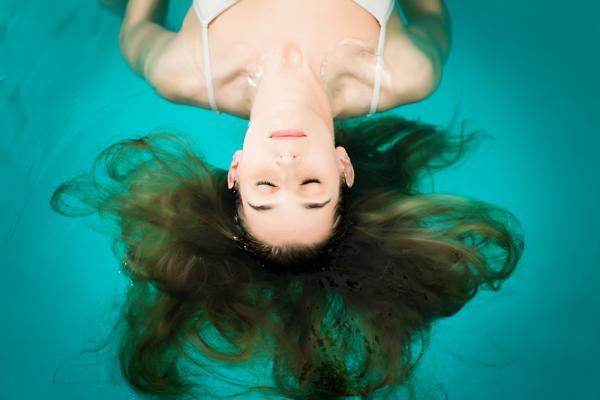 Floatation tanks, also known as isolation tanks and sensory deprivation tanks, were first developed by John C. Lilly in 1954. In the 1970s the practice also became known as REST, or Restricted Environmental Stimulation Therapy. While the connotation attached to the tanks has varied over the years, it has been used to effectively treat everything from stress and anxiety, to migraines, to chronic pain and fibromyalgia, to mental disorders. Given its supposed benefits, both mental and physical, one would think it could make a good recovery practice for athletes.
 Eventually, at some point, after who knows how much time had passed, I let go - physically and mentally.Turns out it’s scientifically proven that loss of sensory input results in relaxation of the body. So, my friends were right, no matter how my body resisted it, I was bound to relax. According to a 1999 research study, during floatation there is an increase in the theta waves in our brain.1 Theta waves have been shown in other studies to be activated by meditation.2 They are also the brain waves active during REM sleep and the drowsiness immediately before and after sleeping.
 According to the Universal Health Institute: